The Loudest Aircraft in the Formation: Tankers and the Tell They Never Meant to Be
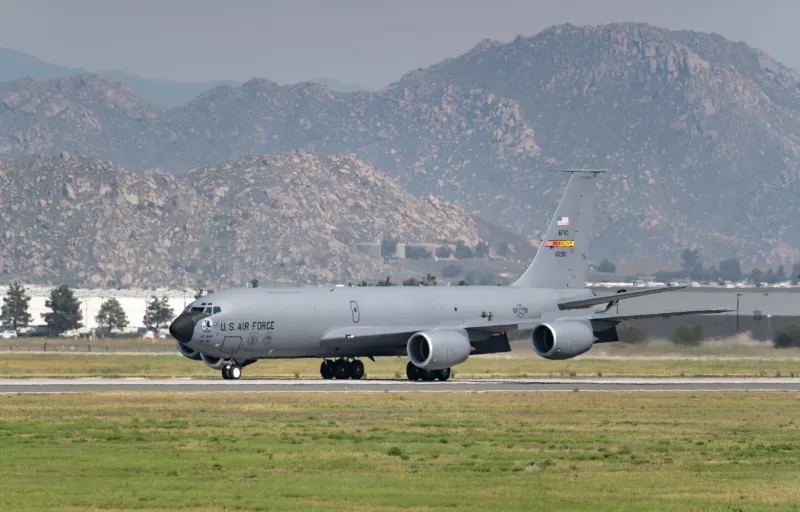
The F-22 and B-2 were engineered to disappear from threat radars. The KC-135 and KC-46 orbiting over Utah or the Gulf of Mexico were not. And in modern signature management, that mismatch matters more than most people realize.
The Contradiction at 30,000 Feet
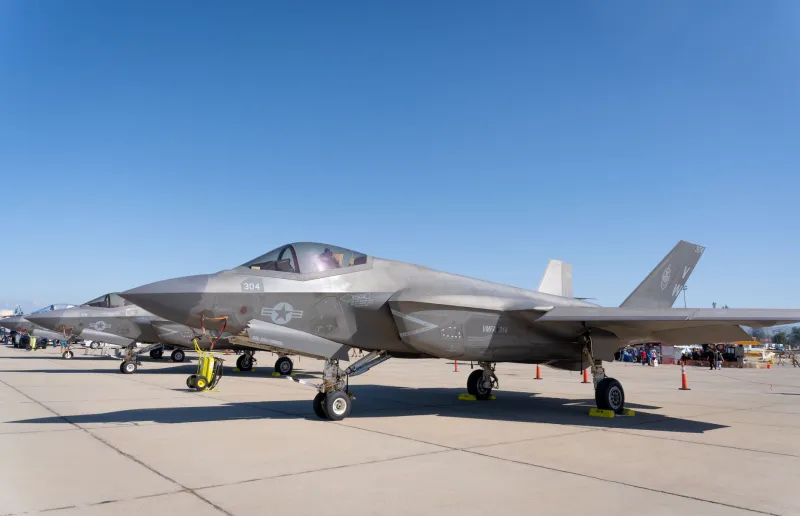
Every low-observable mission begins with a logistical dependency that no amount of radar-absorbent material can fix: the need for gas. Fifth-generation fighters and stealth bombers trade internal fuel volume for internal weapons bays, meaning the very aircraft designed to operate unannounced must rendezvous with a tanker whose radar cross-section, transponder behavior, and flight patterns are anything but subtle.
The problem is not just that tankers are visible. It's that they are predictable. Refueling orbits follow standard altitudes, standard radio procedures, and standard geographic anchors. An adversary watching for anomalies — a KC-135 holding an unusually long racetrack pattern in an otherwise empty stretch of airspace — is watching for the shadow the stealth package casts.
Emissions as a Diary
Tankers broadcast. UHF and VHF radios, Mode S transponders, TCAS interrogations, and datalinks all contribute to an electromagnetic diary that open-source analysts and adversary SIGINT collectors read with equal enthusiasm. A surge in tanker activity along a particular corridor is one of the most reliable indicators that something requiring quiet is about to happen.
Planners learned this lesson repeatedly. In the lead-up to high-profile strikes, analysts have pointed to elevated tanker traffic as a leading indicator. The aircraft being refueled may never appear on anyone's scope — but the hose does.
Teaching Boom Operators to Think Like Signature Managers
The Air Force has quietly adapted. Tanker crews supporting low-observable packages train under emission-restriction disciplines that go well beyond standard EMCON: pre-staged frequencies, pre-briefed rendezvous points that minimize radio exchange, and boom-operator procedures designed to keep the receiver off the tanker's broadcast footprint as briefly as possible.
The boom operator — the enlisted airman lying on their back, flying a 40,000-pound receiver to the nozzle — is now part of the signature-management chain. Rendezvous timing is compressed. Contact procedures are shortened. In some scenarios, tankers practice refueling in conditions where any unnecessary transmission could compromise the package they're supporting.
It's a cultural shift as much as a procedural one. A crew that spent a career treating a tanker orbit as routine administrative airspace now treats it as the first move of the operation.
The New Tanker Calculus
Emerging solutions are taking shape on several fronts. Stealthy tanker concepts — including blends of low-observable shaping with existing airframes — have circulated in industry studies for years. Drones operating as autonomous fuel tankers could push the refueling point farther from threat coverage, or scatter it across so many small nodes that no single orbit becomes a tell.
In the near term, the mitigation is geography and timing: refueling deeper in friendly airspace, at less predictable times, using orbits that don't match the textbook pattern. Every mile the rendezvous point moves away from the contested boundary buys the package another mile of genuine quiet.
The Honest Lesson
Low observability was never just about coatings and shaping. It's a system property — and systems include plumbing. The most conspicuous aircraft in the sky will never be invisible, but it can learn to be discreet. Until then, the tanker remains stealth's most loyal accomplice and, potentially, its most willing informant.