Quantity Has a Quality Problem: Inside the Air Force's Shrinking Stealth Fleet
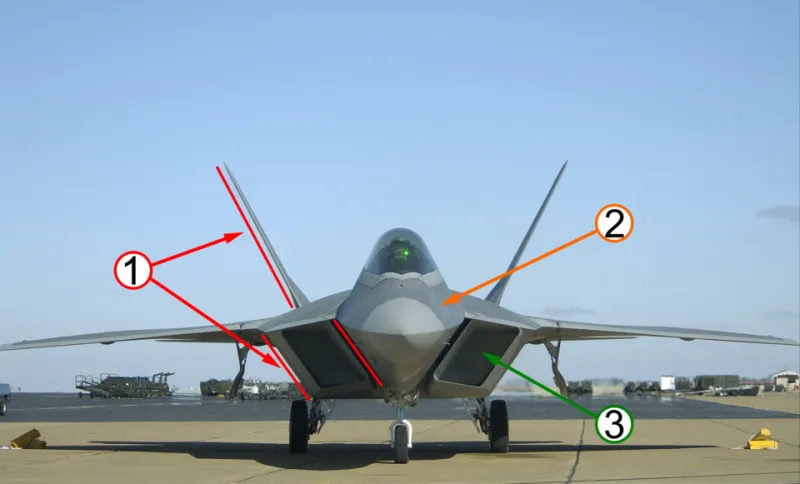
Photo: Sorruno, Public domain, via Wikimedia Commons
In 1991, the Air Force imagined a fleet of 750 F-22 Raptors. Three decades later, production ended at 187 airframes, and the service's next-generation fighter program is now hedging on whether to build a crewed stealth jet at all. This is not a story of failure, exactly. It is a story of what happens when the defining technology of airpower — low observability — collides with the unforgiving arithmetic of defense budgets.
The Stealth Premium, Quantified
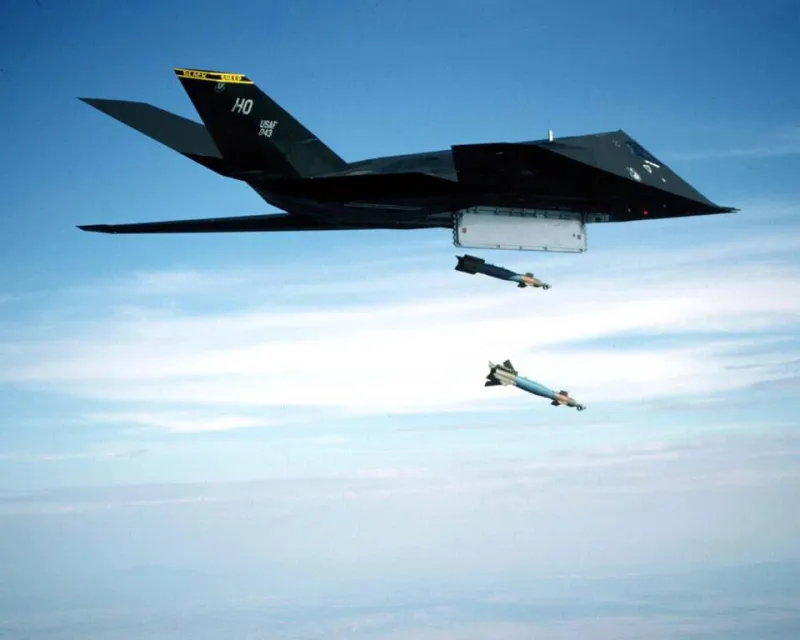
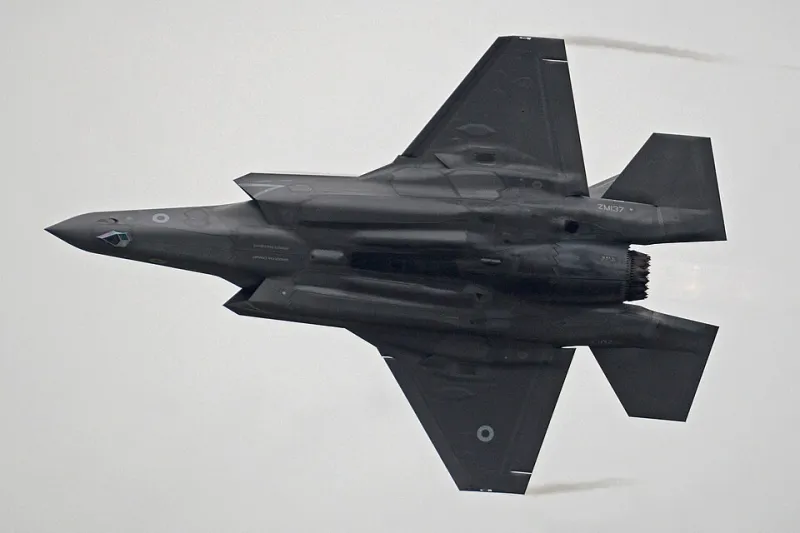
Adjust for inflation and the pattern is stark. The F-117 Nighthawk cost roughly $100 million per aircraft in today's dollars. The F-22 nearly tripled that. The F-35A has brought per-unit costs back down to the $80 million range — a genuine achievement — but the Air Force's next-generation air dominance platform has been publicly estimated at several times that figure, prompting Secretary Kendall to pause the program and force a redesign conversation.
Why does low-observable flight cost so much? The answer lies in the physics and the industrial base. Shaping an airframe to deflect or scatter radar energy constrains nearly every other design decision: where the weapons go, how the engines breathe, how the canopy conducts electricity. Each constraint ripples through tooling, tolerances, and labor. Radar-absorbing structures are embedded in the airframe itself, not sprayed on afterward, which means the aircraft is expensive to design and expensive to touch.
Add low production runs — the F-22 line closed before export sales could amortize costs — and the curve steepens further.
The Mass Deficit
The strategic consequence is quietly alarming. The active fighter fleet has shrunk to roughly 1,900 aircraft, the smallest and oldest in Air Force history, while the pacing threat of a Pacific contingency demands numbers the service simply does not have. A force of exquisite, survivable, $300 million jets cannot be everywhere at once — and attrition, even of a handful of airframes, becomes strategically unbearable.
This is the intellectual crucible behind the Air Force's current rethink. If a crewed NGAD costs more than the enemy can be denied by, perhaps the answer is not a better jet. Perhaps it is a cheaper one, surrounded by escorts that are expendable by design.
The Loyal Wingman Gambit
Enter the Collaborative Combat Aircraft. The concept is elegant: a modest number of crewed stealth fighters acting as quarterbacks for swarms of uncrewed, attritable wingmen that carry the missiles, soak up the risk, and generate the mass the manned fleet lacks. General Atomics and Anduril are already building prototypes, with the Air Force signaling buys in the thousands.
The math is persuasive on paper. A CCA might cost a quarter of a crewed fighter while extending its sensor reach and magazine depth. But skeptics rightly note the risks: software integration at scale, contested communications, and the danger that drones become a budgetary escape hatch that hollows out the crewed fleet without delivering on autonomy promises.
A Fleet Mix, Not a Silver Bullet
The likely end state is neither all-exquisite nor all-attritable. The Air Force will probably field a smaller core of penetrating, crewed stealth aircraft — whatever NGAD becomes — flanked by CCAs, cheaper fourth-gen-adjacent fighters for permissive theaters, and stand-off munitions that keep expensive airframes out of the most dangerous rings of a Chinese IADS.
The lesson of the last thirty years is not that stealth was a mistake. It is that survivability purchased through signature alone is a luxury good, and luxury goods do not win wars of attrition. The $2 billion question is really a different one: can the Air Force learn to buy enough?