The Last Good Secret: Airshows, Smartphones, and the Case for Letting Go of Stealth Mystique
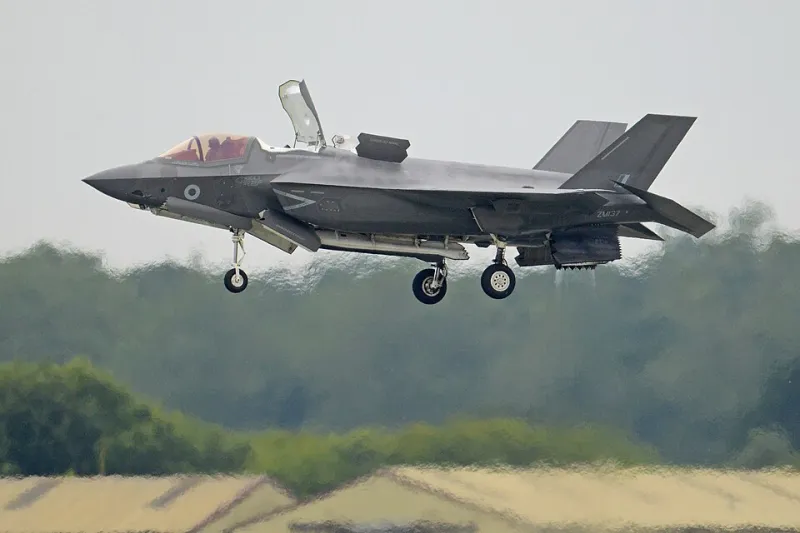
Photo: Alan Wilson from Stilton, Peterborough, Cambs, UK, CC BY-SA 2.0, via Wikimedia Commons
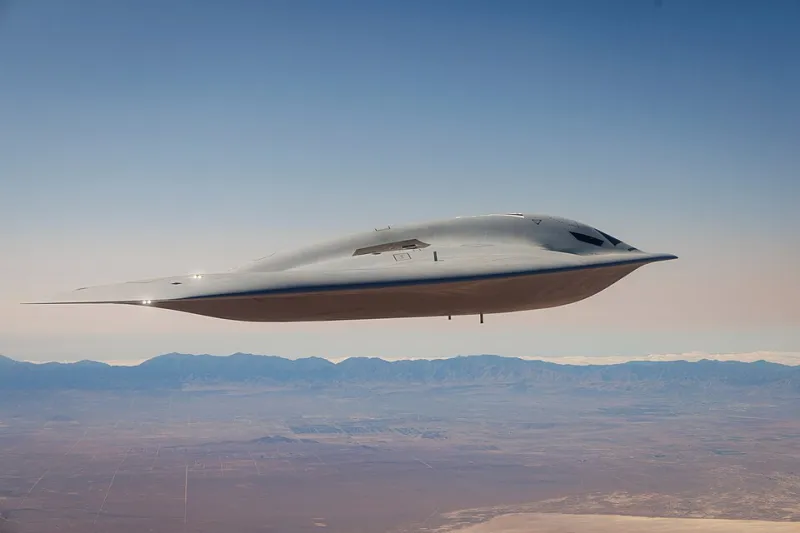
In November 1988, a Pentagon briefing officer pulled a sheet off an easel and revealed a grainy silhouette of the B-2. That was the show. One image, released on the government's terms, after years in which the aircraft's very existence was a classified line item. Compare that with any given week in 2025: an F-35 on a training flight over the Nevada desert, filmed on a phone, posted, geotagged, and dissected by amateur analysts on three continents before the jet lands.
The era of controlled stealth mystique is over. The interesting question is what we do about it — and whether the answer is as alarming as it feels.
The Old Bargain
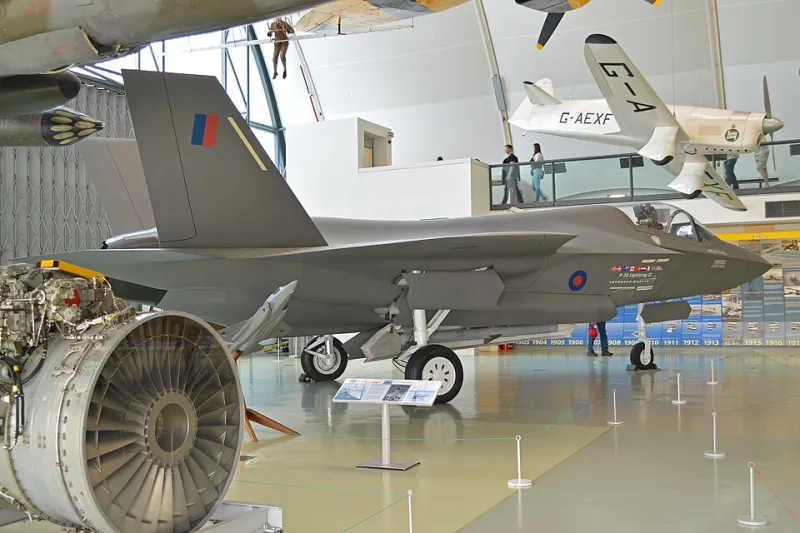
Publicity around stealth was always a managed contradiction. The aircraft had to be secret to be survivable, but secret aircraft don't sell budgets, reassure allies, or recruit pilots. So the Pentagon developed a choreography: unveil on schedule, display on schedule, classify the details that mattered. Airshow appearances by the F-117, and later the F-22 and F-35, followed strict rules — no high-resolution close-ups of panel edges, no open maintenance stands, the famous 'keep behind the rope' discipline that gave rise to the F-117's affectionate nickname among crews: the Shaba, after the Nighthawk's unphotographable angles.
The bargain held because the information environment did. A photograph was a physical object that passed through an editor's hands. Today the editor is gone.
The Fiction of Control
The uncomfortable truth is that operational security at airshows was always more theater than shield. The aspects of a stealth aircraft that matter — coatings chemistry, radar-absorbent material composition, exact signature curves — have never been visible from a crowd line. What spectators see is shape, and shape has been public since 1988. Meanwhile, the genuinely sensitive data flows elsewhere: not from a teenager at an EAA AirVenture fence line, but from calibrated measurement radars, satellite passes over bases, and the steady accumulation of ELINT described by anyone who studies the field seriously.
In other words, we may be protecting the wrong secret. The mystique — the sense that these aircraft are near-magical — was never the classified part. It was the marketing part.
What Deterrence Actually Requires
This is where the argument turns. Deterrence depends on an adversary believing your capability is real, credible, and understood. A stealth fleet wrapped in total secrecy invites doubt: does it work? Is the emperor clothed? The F-117's combat record over Panama and Iraq did more for American deterrence than any amount of secrecy, because it converted rumor into demonstrated fact. The 1988 silhouette, for all its caution, was a deliberate signal — we have this, and you should plan accordingly.
Seen through that lens, the viral smartphone video is not a failure of the system. It is the system working in a new register. Every unremarkable photo of an F-35 doing routine things normalizes the capability, communicates readiness, and reassures allies who need to know the umbrella is real. The Chinese and Russian publics see their own fifth-generation programs hyped relentlessly by state media; American openness, warts and all, is itself a message about confidence.
The Residue Worth Protecting
None of this argues for indifference. There is a difference between letting the public see an aircraft and letting the public map its habits. The things that still deserve protection are operational: deployment patterns, maintenance timelines that reveal readiness rates, the specific conditions under which low-observable aircraft train against instrumentation. That is a discipline of behavior, not of curtain-pulling — harder to enforce in a world where a flight tracker app does the work of a spy.
The recommendation, then, is a reframing rather than a retreat. Stop treating visibility as vulnerability and start treating it as messaging, while enforcing rigor on the operational details that actually matter. The hangar door opened in 1988 and cannot be closed. The good news is that what walked out of it was never the secret. The secret was whether it worked — and on that, the public record is more reassuring than the mystique ever was.